How to Fix Exhaust Gas Leaks Before Performance Drops
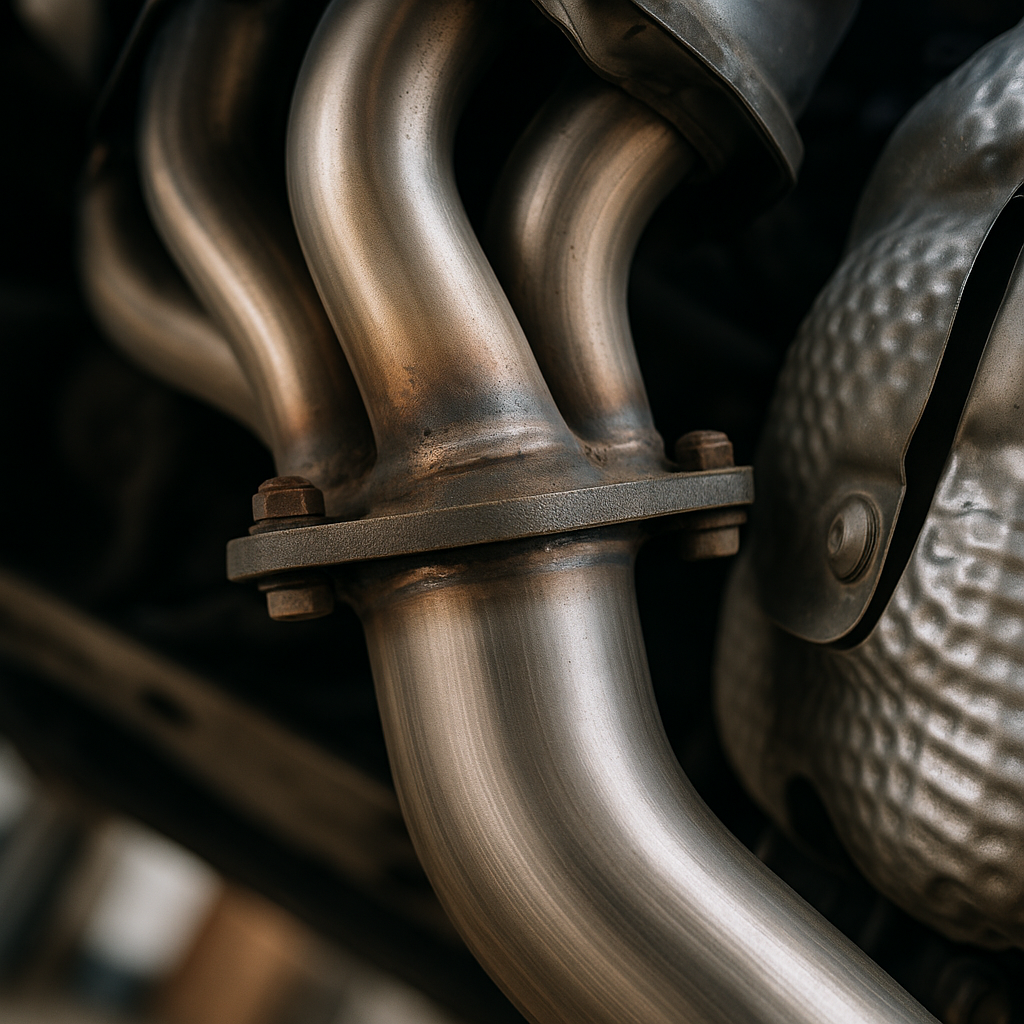
An exhaust gas leak might seem harmless at first—a subtle hissing sound or a faint smell of fumes inside the cabin. But left unchecked, it can quietly rob your car or superbike of power, efficiency, and worse, expose you to dangerous carbon monoxide.
Exhaust leaks typically occur at the manifold gasket, flexi pipe joints, or corroded muffler seams. In Jaipur's dusty conditions and summer heat, these joints expand and contract repeatedly, accelerating metal fatigue and gasket failure. The first sign is often a ticking or popping noise during cold starts that fades as the engine warms up. You may also notice a drop in fuel efficiency, sluggish acceleration, or a check engine light triggered by faulty oxygen sensor readings caused by unmetered air entering the system.
To confirm a leak, run the engine at idle and listen carefully around the exhaust manifold, downpipe, and catalytic converter. Use a mechanic's stethoscope or even a length of hose held to your ear. A more reliable method: while the engine is cold, block the tailpipe with a rag and listen for escaping air upstream. Any hissing pinpoints the leak.
Small cracks can be temporarily sealed with high-temperature exhaust putty, but the proper fix involves replacing the failed gasket or welding the cracked section. On performance bikes and cars, even a minor leak upstream of the oxygen sensor will throw off air-fuel ratio calculations, costing you power and increasing emissions.
At Motofy Garage, we inspect the entire exhaust system during every service—manifold to tailpipe—using pressure testing and visual checks. Whether it's a gasket replacement, flexi pipe renewal, or full exhaust re-sealing, we ensure your vehicle runs clean, quiet, and at full power. Don't let a small leak turn into an expensive repair or a safety hazard. Book your exhaust inspection today and breathe easy again.