How to Identify and Fix Clutch Cable Fraying in Bikes
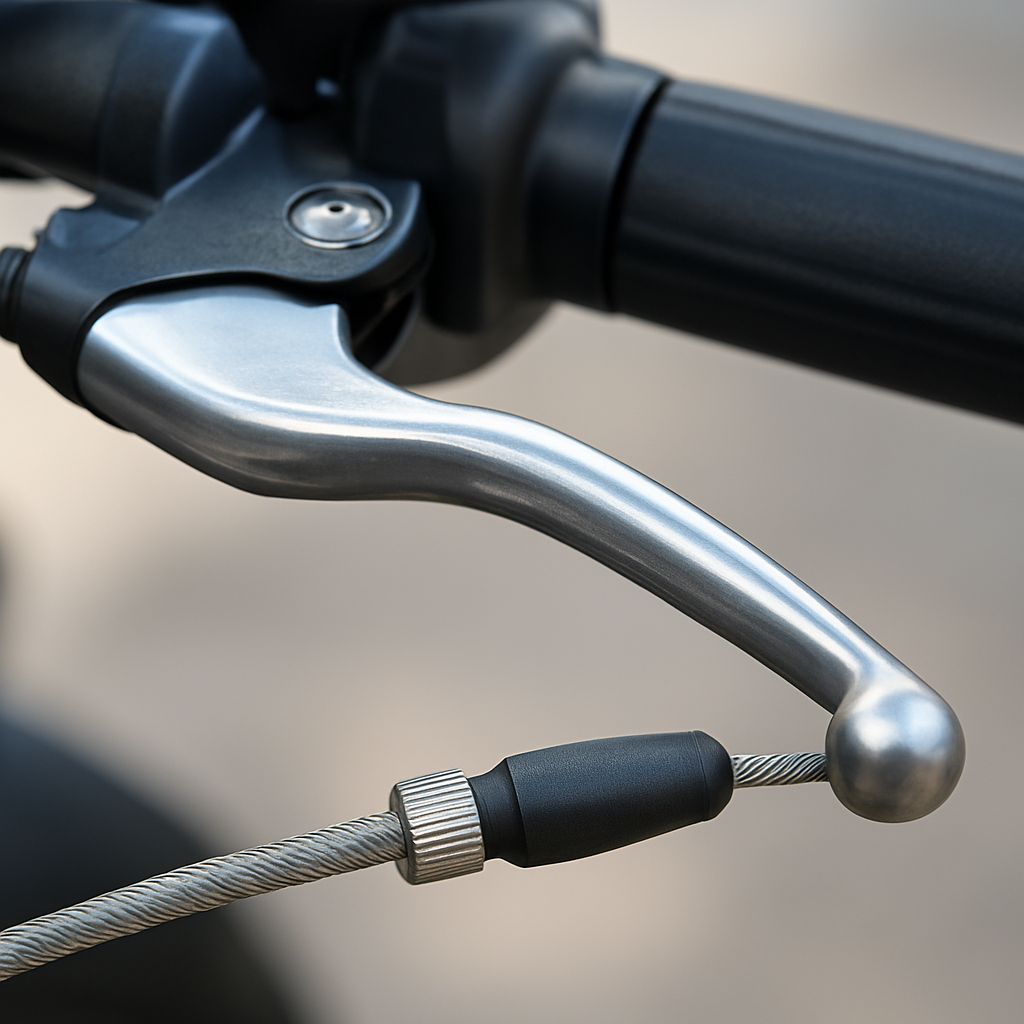
A frayed clutch cable is one of those silent failures that gives you just enough warning before it snaps completely. Most riders ignore the early signs—a slightly heavier lever pull, inconsistent engagement, or a rough feel when releasing the clutch. By the time the cable breaks, you're stuck on the side of the road with no way to shift gears smoothly.
Clutch cables fray because of three main reasons: lack of lubrication, continuous exposure to dust and moisture, and friction at the lever or adjuster points. In Jaipur's dusty conditions, the outer housing traps grit that grinds away the inner wire strands. High-mileage bikes and superbikes with stiffer clutch springs put more tension on the cable, accelerating wear.
Start your inspection at the clutch lever. Pull the lever in and watch the cable housing near the perch. If you see individual wire strands poking out or a fuzzy texture where the cable enters the housing, fraying has already begun. Run your finger gently along the exposed sections—any snag or rough spot indicates internal damage.
Next, check the lower end where the cable connects to the gearbox or clutch actuator arm. This area sees the most movement and flexing, so fraying often starts here. Look for kinks, rust stains, or visible wire separation. A healthy cable has a smooth, uniform surface with no discoloration.
Free play is another tell. If you suddenly need more lever travel to disengage the clutch, or if the bite point keeps changing, internal strands have likely started breaking. The remaining strands stretch unevenly, giving you that vague, inconsistent feel.
Fixing a frayed cable means replacement, not repair. A partially broken cable will snap under load, often mid-ride. Choose an OEM or high-quality aftermarket cable with a braided stainless steel inner wire and a lined housing to reduce friction. After installation, apply cable lubricant from the top using a cable luber tool. This pushes grease down the entire length, protecting against moisture and dirt.
Route the new cable away from sharp edges, exhaust pipes, and the steering lock zone. Improper routing causes premature wear. Adjust the free play according to your service manual—usually ten to fifteen millimeters at the lever tip. Too tight, and the clutch drags; too loose, and you risk incomplete disengagement.
At Motofy Garage in Jaipur, we inspect clutch cables during every superbike service and can replace frayed cables with precision routing and correct tension. Regular checks every five thousand kilometers, especially before long rides, keep you from being stranded. A fifteen-minute inspection today saves you from a roadside breakdown tomorrow.